

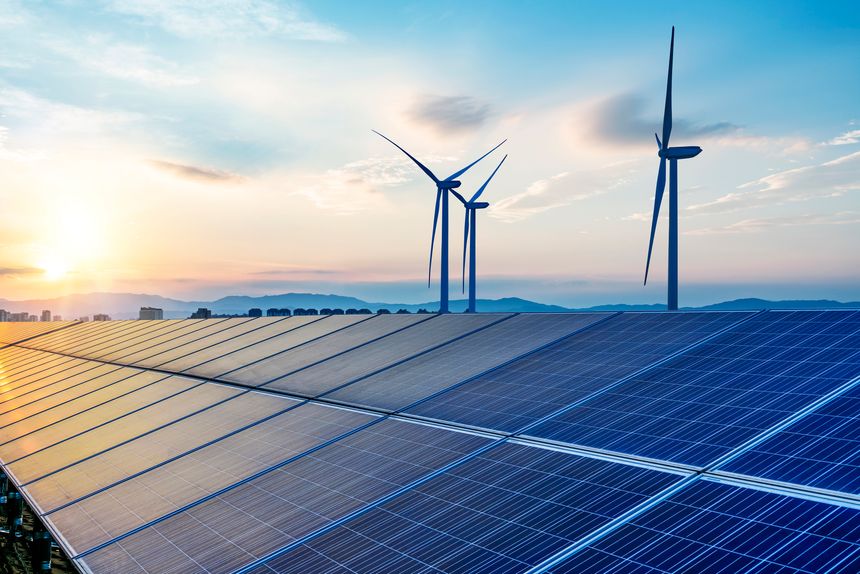
Once fully completed, the Steel River Energy Centre is expected to expand to 2.5 GW of solar capacity and 2.9 GWh of battery storage. Under the virtual power purchase agreement, Google will pay a fixed price for the project’s electricity without taking direct delivery of the power, although financial terms were not disclosed. Because data centres require a constant electricity supply, they remain dependent on the grid, which draws on a mix of natural gas, renewables, coal and nuclear energy, while renewable energy purchases from projects such as Steel River help support additional clean electricity generation on the grid.
Power purchase agreements fuel clean energy development
Long-term renewable energy purchase agreements provide project developers with the financial certainty needed to secure investment, obtain financing and move forward with large-scale clean energy developments. “The investment supplies the grid at large and passes along the benefits from the local power plant to all customers in Arkansas,” said Will Conkling, Google’s head of data centre energy.
However, the practice of using renewable energy purchases to offset fossil fuel consumption remains controversial. Critics argue that companies continue to rely on grid electricity while the clean energy they fund may be generated in different locations or at different times. The Environmental and Energy Study Institute estimates that 56% of electricity used by US data centres comes from fossil fuels.
Further reading:
/Passle/69a9a5cfa0730380cf7deede/SearchServiceImages/2026-10-21-10-41-49-977-6ad896ed6e5c4008d906b217.jpg)
/Passle/69a9a5cfa0730380cf7deede/SearchServiceImages/2026-08-05-10-46-27-609-6a7314832d4a78cd36a207b0.jpg)
/Passle/69a9a5cfa0730380cf7deede/SearchServiceImages/2026-10-07-23-02-11-162-6ac6cf73fb51287ac2262fe7.jpg)