

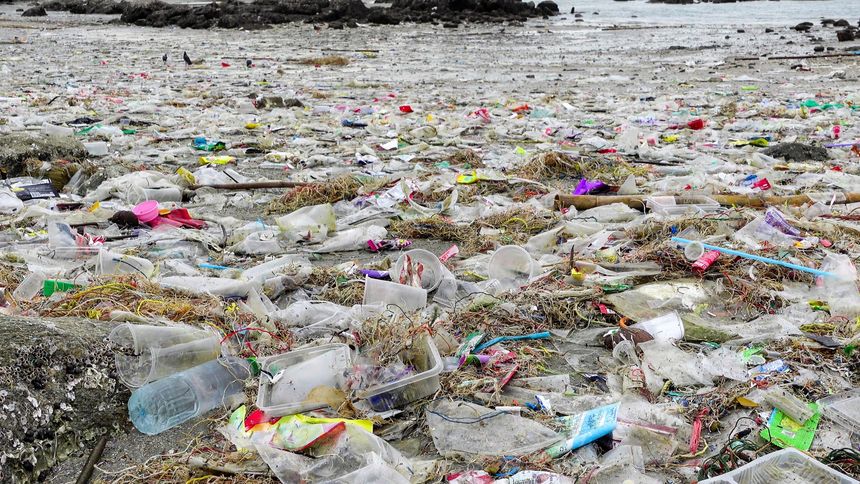
The new EU Packaging and Packaging Waste Regulation (PPWR) has officially taken effect. While it sounds great on paper, forcing companies to include a percentage of recycled plastic in their packaging, as someone who actually works in the lab analyzing pyrolysis oils every day, I see a massive gap between these political goals and reality.
In fact, pyrolysis oils are incredibly unpredictable. The content and quality change completely depending on what types of waste plastics went into the reactor. To get a decent, usable product, the producer has to tweak and finely adjust the pyrolysis parameters. It is a delicate chemical balancing act.
Right now, there is still a major technological gap to close before we can do this systematically at an industrial scale. This raises some serious questions that we, as an industry, need to face:
Are these timelines even realistic? Scaling up this sensitive technology to meet sudden legal targets is an uphill battle.
What will the final price tag be? Plastics produced through such complex, energy-intense recycling are going to be very expensive. Who will pay for it?
Will it actually reduce single-use plastics? Or is it just a high-tech excuse to keep producing disposable packaging?
Can we guarantee safety? Consumers expect absolute hygiene and safety from food packaging. Can this oil truly meet those ultra-strict standards consistently?
Policy is moving fast, but chemistry takes time. We have a lot of hard work ahead in the lab before these targets become a daily reality.
/Passle/69a9a5cfa0730380cf7deede/SearchServiceImages/2026-09-22-06-36-07-234-6ab221d71b7ce479992b778d.jpg)
/Passle/69a9a5cfa0730380cf7deede/SearchServiceImages/2026-09-16-15-56-47-236-6aaabc3fc03416ab10a86994.jpg)
